The quality of a family moment is not measured by the budget or the duration of the activity. What has a measurable effect on children’s emotional regulation is the repetition of daily micro-moments of connection, those five to ten minutes of exclusive attention that, when accumulated, weigh more than an exceptional outing scheduled every other Sunday.
Micro-moments of connection: the underestimated lever of family life
We often observe a frequent confusion between time spent and useful time. A parent physically present for three hours in front of a screen in the same room as their children does not generate the same effect as a ten-minute exchange focused on the child, without a phone and without interruptions.
Family positive psychology links these repeated micro-moments to a decrease in problematic behaviors among school-aged children. The mechanism is simple: the predictability of the ritual (dinner conversation, bedtime reading, daily debriefing) creates a secure framework that requires no particular logistics.
Three formats of micro-moments produce concrete results:
- The screen-free evening ritual, even if limited to a single story or a five-minute free conversation, anchors a stable reference point in the child’s day.
- The dinner table discussion where each family member shares a positive moment and a difficulty from their day, a format that some family therapists call “rose and thorn.”
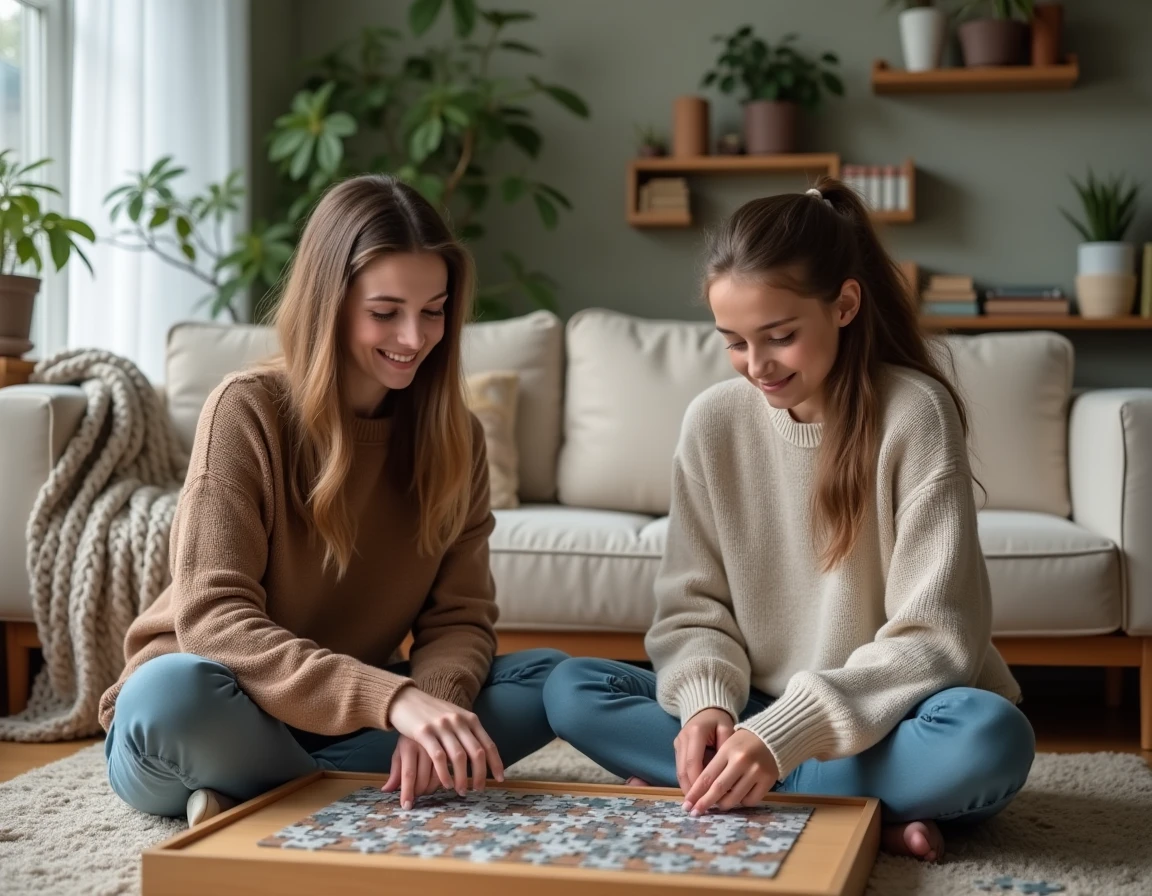
- The free playtime initiated by the child, where the parent follows the suggestion without directing, even if it’s just to assemble a puzzle or draw.
For those looking to structure these rituals with age-appropriate ideas, accessing the family page of Diboo allows you to browse concrete proposals categorized by theme.
Family digital detox: organizing screen-free time that lasts

The increase in screen time post-Covid has pushed many European families towards common disconnection initiatives. We recommend treating family digital detox not as a one-time event, but as a hygiene rule integrated into the household’s functioning.
The classic mistake is to decree an entire weekend without screens without preparation. The rebound effect is almost systematic: children’s frustration, parents reverting to their smartphones by Monday. A phased approach works better.
Start with a fixed daily time for common disconnection (dinner time, the 6 PM to 7 PM slot) to gradually acclimate each household member. The goal is not performance, but automation. Once this time slot is stabilized, you can expand it to half a day on the weekend.
The technical point that most guides overlook: the “no smartphone” zone in the house must be physically marked. A basket at the entrance of the living room, a drawer in the kitchen. The visual signal makes the rule tangible for children and eliminates daily negotiation.
Family activities at home: prioritizing cooperation over passive entertainment
The parental reflex in response to children’s boredom often involves suggesting an outing or a screen. We recommend a third way: cooperative activity at home, where each family member contributes to the final result.
Shared cooking remains the most effective format. Preparing a meal together engages fine motor skills, reading (to follow a recipe), calculating (proportions), and produces a concrete result that the whole family consumes. It’s not just an occupation; it’s a disguised learning moment wrapped in pleasure.
Cooperative board games (where you win or lose together, not against each other) also deserve attention. They change the family dynamic: the parent is no longer the referee; they become a teammate. For families with children of different ages, this format reduces conflicts related to skill gaps.
An underutilized format: the long-term family project. Building a fort in the garden over several weekends, keeping a nature journal where leaves and drawings are glued throughout the seasons, or documenting a balcony vegetable garden with photos. The project that unfolds over time creates a narrative continuity between shared moments, instead of isolating them from one another.
Outdoor outings with children: framing the adventure without over-organizing
Family micro-adventures are gaining traction, and for good reason: they require neither budget nor heavy planning. A two-hour walk in the woods with a simple goal (finding five species of mushrooms, photographing three different birds) transforms a mundane stroll into an expedition.
The trap to avoid: over-organizing the outing to the point of turning it into a school program. A child who senses that the walk is a pedagogical excuse disengages faster than one who is offered a playful challenge. The wording matters. “Let’s race to find the biggest rock” works better than “Today we learn geology.”
For urban families, the municipal park is sufficient. An impromptu picnic on a blanket, a photo safari with the phone (the only permitted use of the screen), a treasure hunt with clues prepared the night before. The geographical proximity removes the logistical barrier that prevents most families from realizing their good intentions.
Recently emerged family planning apps offer activity suggestions tailored to children’s ages and reminders for rituals. They can serve as a temporary crutch to establish new habits, as long as they do not become an additional source of screen time.
The last point to keep in mind: a successful family moment is not necessarily a calm or harmonious moment. Laughter as well as small disputes are part of the relational fabric. What matters is the regularity of presence and the absence of digital distraction during shared time.