Which pieces are really worth buying new, and which are better restyled or picked up second-hand? The fashion trends for the fall-winter 2026-2027 season offer an interesting way to explore this question: with the major comeback of 1980s aesthetics, the rise of bold color palettes and the growing role of accessories, refreshing your style doesn’t necessarily mean replacing your entire wardrobe.
Cost per item: buy new, shop second-hand or restyle your wardrobe
Before rushing to buy the latest arrivals, a simple framework can help you sort out what’s worth investing in, what’s easy to find in thrift stores and what’s already sitting in your closet.
| Type of item | Buying new | Second-hand | Already in your wardrobe |
|---|---|---|---|
| Maxi coat with broad shoulders | Fit and drape can be difficult to assess when buying second-hand | Available if you’re willing to have the shoulders altered | Rare, unless you’ve kept an oversized coat |
| Straight-leg or stirrup jeans | Useful if you want a very fitted cut | Plenty of choice at low prices in thrift stores | Common — a hem or an iron is often all it takes |
| Structured blazer | Worth considering for a strongly defined, padded-shoulder style | 1980s and 1990s blazers are plentiful | A classic blazer works as is this season |
| Accessories (brooches, leather gloves, hats) | Low cost per item, high visual impact | Often new or nearly new when bought second-hand | Check drawers and boxes: many are tucked away there |
| Knee-high or slouchy boots | Comfort and sizing often make buying new the better option | Condition varies depending on sole wear | Rare in good condition, except for recent styles |
This table highlights something trend guides often overlook: accessories and bottoms (jeans, trousers) can be refreshed at a lower cost through second-hand shopping or restyling. That leaves the new-clothing budget for one or two statement pieces, such as a coat or boots.
The fashion section at Actualité Premium regularly explores this kind of trade-off between key pieces and reusable basics.
Fall-winter 2026-2027 color palette: which shades really transform a look?
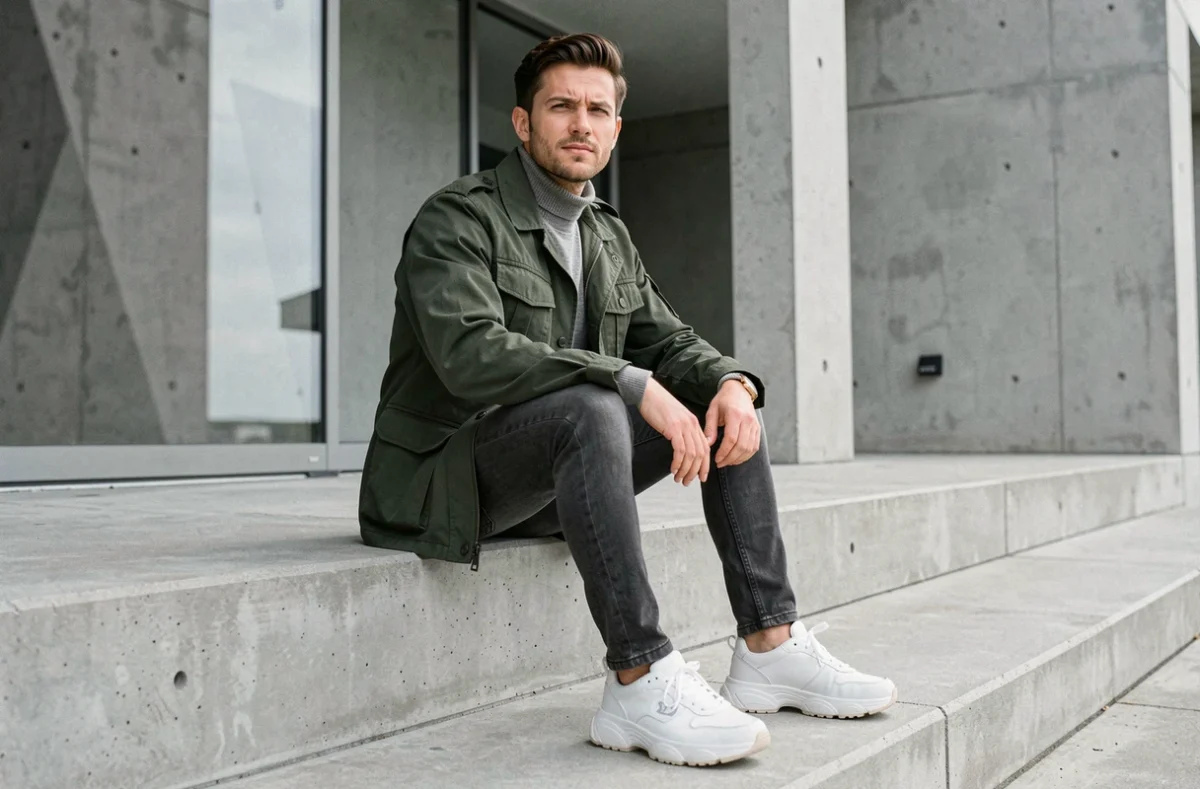
This season’s palette goes beyond black and camel. Plum, rust, burgundy and red have made their mark on the runways, while gray is back as an alternative neutral. Interest in 1980s luxury aesthetics surged by 225% according to the Pinterest Predicts 2026 report, and that rise is reflected directly in color choices: saturated shades, bold contrasts and a move away from head-to-toe beige.
You don’t need to buy something new to wear these colors. Here’s how to work them in without adding lots of new pieces:
- Burgundy and plum work well as accents on an accessory (scarf, bag, leather gloves) paired with a dark coat you already own.
- Rust pairs well with raw denim or beige trousers, both of which are often already in your wardrobe.
- Red is a bolder choice, so it’s worth making a targeted purchase: a second-hand knit or sweater is enough to bring the palette into a neutral outfit.
- Gray is a reliable choice and requires no investment if you already own a sweater or trousers in that shade.
Two or three colorful pieces are enough to refresh an entire wardrobe if the rest of your clothes are built around neutrals (black, navy, gray, off-white). A common mistake is buying a complete outfit in the season’s color: the look can quickly feel dated, making the pieces harder to wear again the following year.
1980s silhouettes: adapt the trend to the clothes you already own
The return of broad shoulders, stirrup pants and pencil skirts creates a highly structured silhouette. Recreating this look from head to toe is expensive and takes up space. Instead, identify which elements of the aesthetic work with what you already wear.
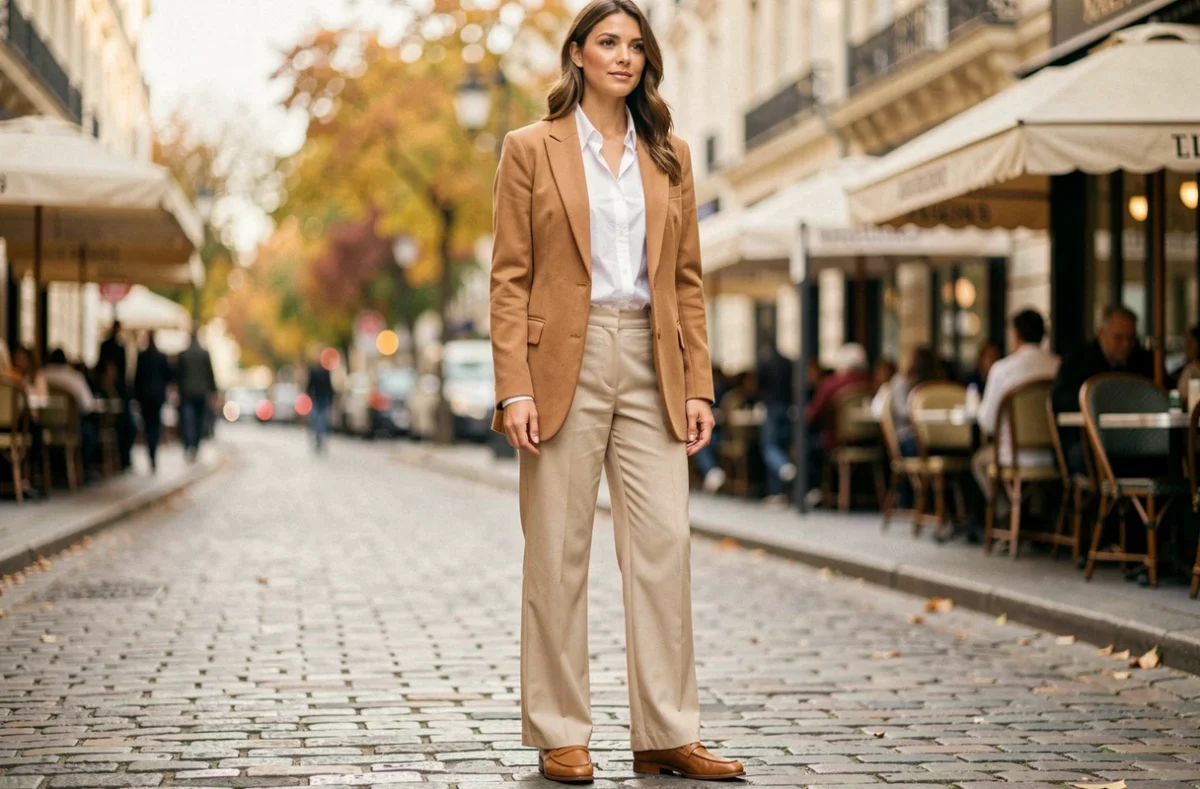
A vintage padded-shoulder blazer (very common and inexpensive in thrift stores) worn with contemporary straight-leg jeans creates the structured-top, relaxed-bottom contrast that defines this season’s silhouette. The oversized blazer from the 1980s and 1990s is the easiest piece to find second-hand, because production was extensive at the time and the generous cuts suit a range of body types.
Stirrup pants, on the other hand, need to fit precisely at the ankle. This is one item where buying new or altering an existing pair of slim-fit trousers (shortening them and narrowing the hem) makes all the difference. A well-placed hem can transform a pair you already own at little cost.
Fall-winter 2026 accessories: the most affordable way to change your style
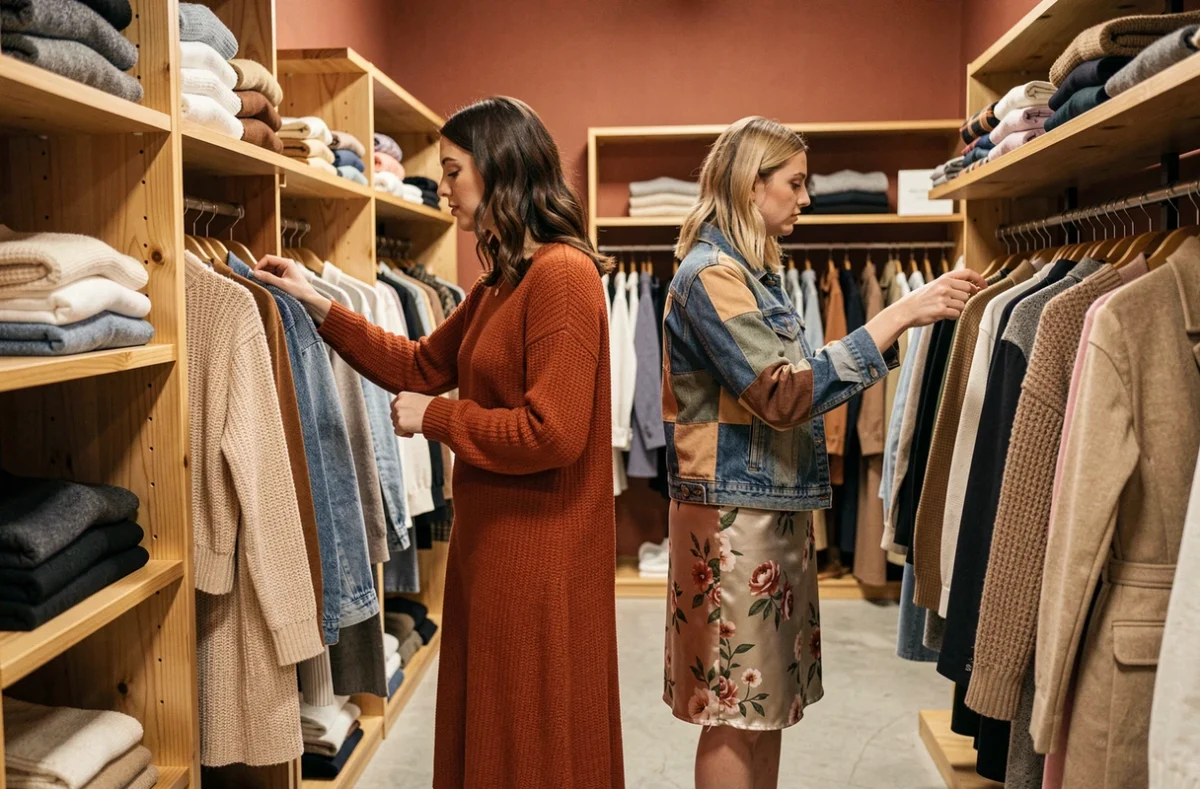
This season’s collections have spotlighted brooches, leather gloves, hats and knee-high boots. These pieces offer high visual impact at a low cost per item, especially second-hand, where they’re often in excellent condition.
A brooch repositioned on a coat collar, a wide-brimmed hat worn with a basic trench coat, colored leather gloves (burgundy or rust) with an all-black outfit: each of these touches changes how an outfit looks without changing the clothes themselves.
Slouchy boots are the only accessory where the budget can climb. The sole and ankle support make buying them second-hand riskier. For this item, a carefully chosen new pair is still the most durable option.