Intimate hygiene is a fundamental aspect of our daily well-being, directly influencing our health and comfort. Underwear, in constant contact with the most sensitive parts of the body, plays an essential role in preventing infections and maintaining hygiene. Many people wonder about the appropriate lifespan of these items and how often they should be replaced. It is important to be aware of the best practices for wearing these essential pieces to maintain optimal intimate hygiene and contribute to a healthy lifestyle.
Frequency and criteria for replacing underwear for optimal intimate hygiene
Underwear, although often relegated to the background of our clothing concerns, requires special attention. The quality of underwear directly affects its lifespan. A well-made piece can withstand repeated washes longer without losing its integrity. Even quality cannot offset the health risks associated with prolonged use. Recommendations suggest changing underwear once or twice a day, a practice integrated into daily hygiene, to avoid intimate discomfort.
The replacement of underwear should be considered as soon as signs of wear appear: diminished elasticity, discoloration, deformation, or alteration of the fabric. These signs are not just aesthetic; they can indicate a failing protection against bacteria and other pathogens. The health benefits of regular changes are well established. Follow these tips for good intimate hygiene and optimal use of your underwear: refresh your stock every six months to a year, depending on how often you wear them and the care conditions.
During periods of menstrual flow, women must be particularly vigilant. The use of hygiene products such as pads, tampons, or menstrual underwear should be accompanied by special care. These should be changed regularly to prevent the risk of infections and discomfort. Specific intimate hygiene during this time is essential and often involves more frequent replacement of underwear. Consider using products designed for these moments, and always ensure you choose breathable materials and suitable cuts for maximum comfort.
Care and best practices to extend the lifespan of underwear
The longevity of underwear is also measured by how well they are cared for. Wash them in lukewarm water, prefer a gentle cycle, and choose mild detergents to preserve the fibers and colors. Intimate hygiene products such as specific cleansing care and wipes can help better preserve underwear by limiting residues from harsher products. Their use should remain moderate to avoid disrupting the natural balance of intimate flora.
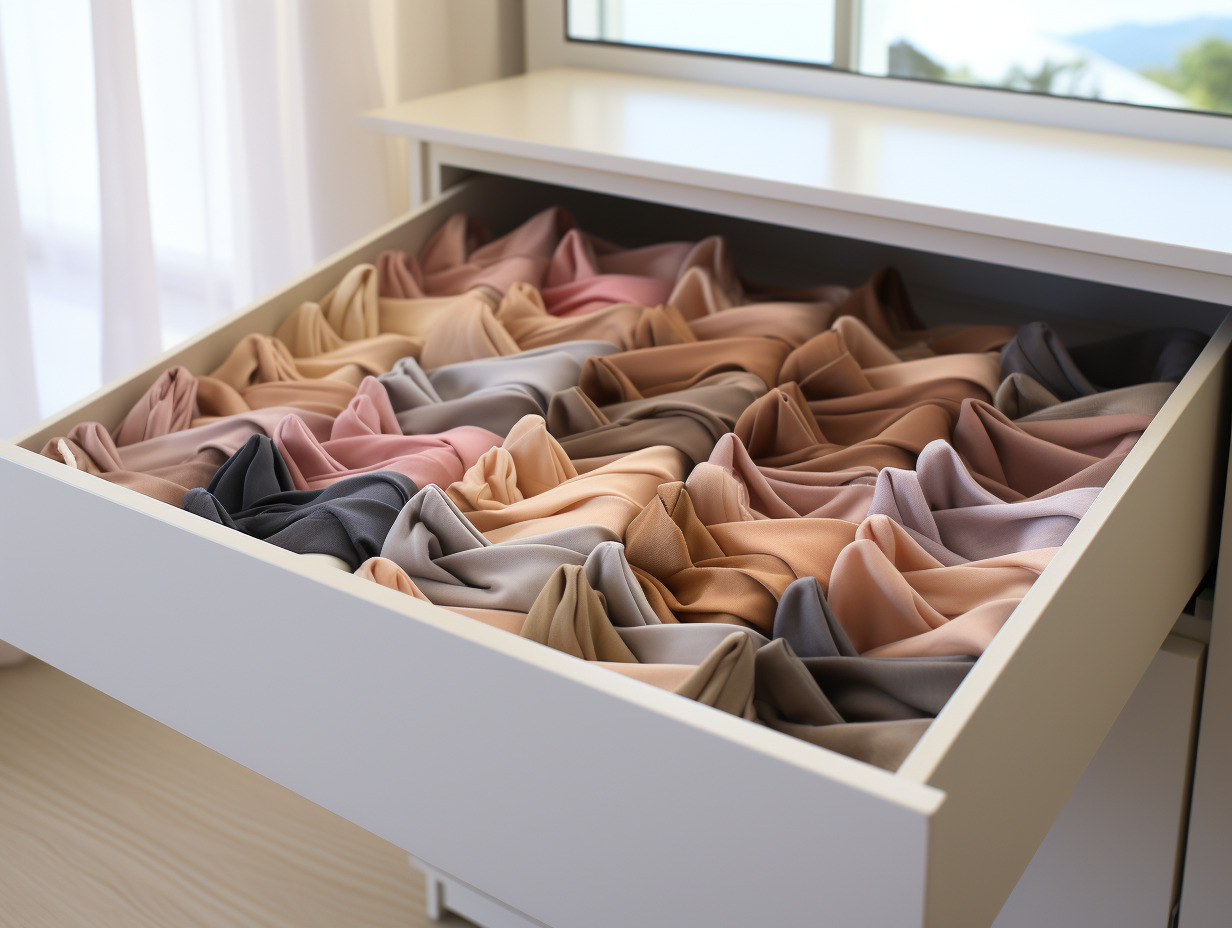
Drying also plays a crucial role in maintaining the quality of underwear. Avoid the dryer, which can damage elasticity and shape. Prefer air drying, away from direct sunlight to prevent discoloration of the fabrics. The organization of storage is a detail not to be overlooked: carefully fold your underwear or roll them to avoid deformation.
In the face of inevitable wear, the recycling of used underwear represents a responsible alternative. The fibers can be reused in the manufacturing of other products, thus reducing environmental impact. Associations and specialized companies offer recycling programs, turning this end of life into an eco-responsible opportunity.
The hygienic protection during menstrual periods should not be neglected. Sanitary pads and menstrual underwear should be chosen carefully to ensure impeccable hygiene. Their frequent changing and proper care help maintain the quality of underwear while respecting the specific needs of feminine intimate hygiene.