
A person who breaks down in tears while watching a wildlife documentary, another who physically feels a colleague’s discomfort in a meeting, a third who has been accumulating disturbingly precise dreams since childhood. These situations often come up when discussing shamanic sensitivity. Before labeling these experiences as spiritual, it’s beneficial to examine them with a concrete perspective, grounded in everyday life and caution.
Unusual sensory perceptions and shamanism: what deserves attention
We often start here: a sensory reactivity that exceeds the norm. Not a mystical sixth sense, but a way of sensing the atmosphere, tensions, or energy shifts in a place even before having a rational explanation.
Concretely, this can manifest as physical discomfort in certain spaces (chest tightness in a room, nausea in a historically charged location), or an ability to anticipate the emotional state of loved ones without verbal cues. These perceptions are not a diagnosis, neither spiritual nor medical. They are signals to observe, not to interpret immediately.
The trap is to turn every feeling into confirmation of a shamanic calling. To explore the revealing symptoms of shamanism, it’s beneficial to note these episodes over several weeks, distinguishing what pertains to documented hypersensitivity from what might require medical advice.
- Recurring physical reactions in certain places or in the presence of certain people, without identifiable cause
- Lucid or recurring dreams with symbolic elements related to nature (animals, forests, water, fire)
- Sensation of “knowing” something before having proof, followed by factual confirmation
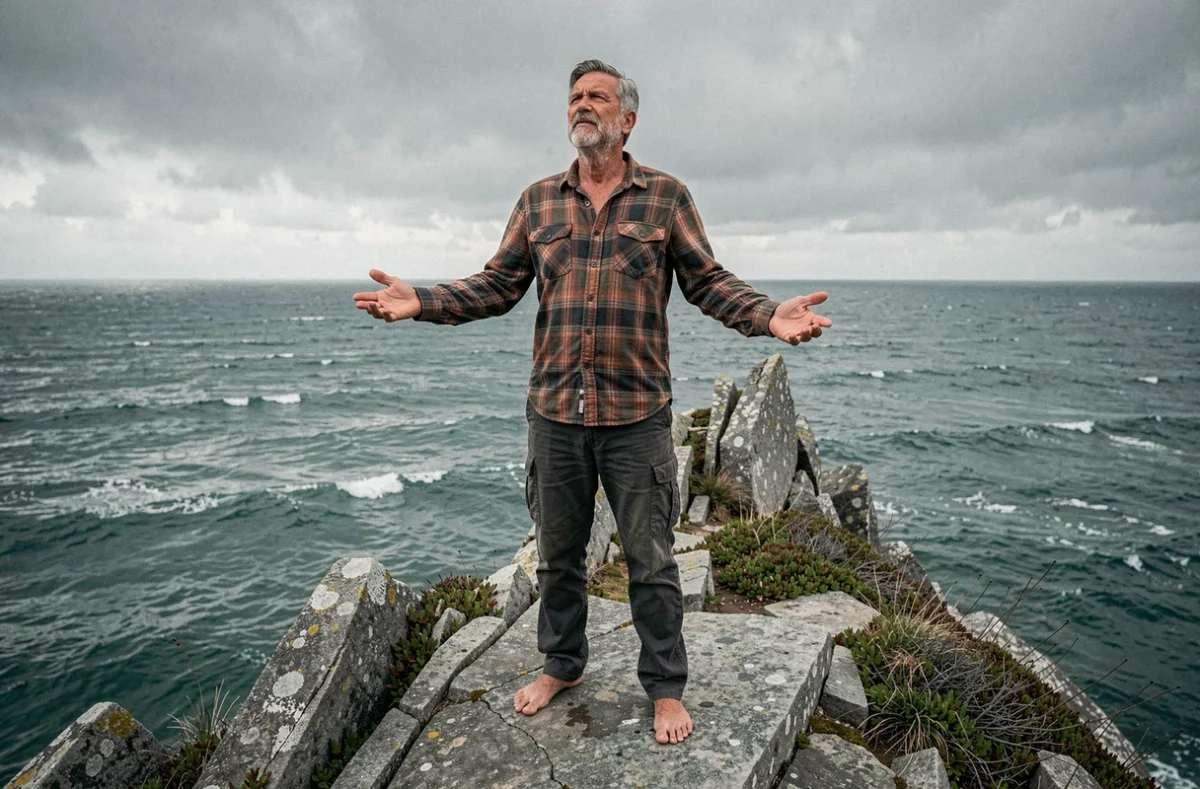
Relationship with nature and animals: distinguishing affinity from shamanic calling
Loving nature, feeling at peace in the forest, or having a strong bond with animals does not make someone a shaman. The nuance lies in the intensity and recurrence of these experiences.
In shamanic traditions, the connection to the natural world goes beyond mere preference. We speak of individuals who feel seasonal changes in their bodies, who perceive a form of communication with certain animals, or who experience a near-physiological need for contact with wild spaces.
A concrete indicator: when prolonged absence from nature causes real discomfort (persistent fatigue, irritability, mental confusion) and returning to a natural environment produces quick and measurable relief. This is not poetry; it’s a pattern that can be verified by varying one’s environments over several weeks.
Totemic animals and repeated encounters
Some individuals report recurring and significant animal encounters, sometimes in unlikely contexts. A bird of prey landing a few meters away, a fox consistently spotted in the same place, unusual insects appearing during moments of questioning.
Feedback varies on this point: for some, these coincidences are a matter of confirmation bias. For others, they fit into a shamanic reading of the world where each animal carries a message related to a specific situation. The most useful approach is to note these occurrences without forcing interpretation.
Life crises and challenges as shamanic triggers
A rarely addressed aspect: most recognized shamans in traditional cultures did not choose this path. In Mongolia, this identification is often experienced as a calling, sometimes even as a trial.
In daily life, a serious illness, a sudden bereavement, or a psychological breakdown often precedes a shamanic awakening. This is not romantic. We talk about periods when the person loses their usual bearings and, emerging from the crisis, develops sensitivities and abilities they did not possess before.
Again, caution is necessary. A trauma can produce altered states of consciousness, hypersensitivity, or visions without any shamanic dimension. If these experiences cause suffering, disorganization in daily life, or a loss of contact with reality, medical advice remains the first step.
The French law and spiritual practices
The law of May 10, 2024, has strengthened the fight against sectarian abuses in France. It particularly penalizes the abuse of psychological or physical subjugation and the incitement to abandon care. Anyone exploring a shamanic path should be aware of this framework.
Shamanism is not an illegal practice, but spiritual and wellness offerings are subject to enhanced preventive regulation. Warning signs include isolation, psychological pressure, disproportionate financial demands, or health risks.
- Beware of any practitioner who asks to sever ties with loved ones
- Be vigilant about excessive fees or long-term financial commitments
- Categorical refusal of any encouragement to abandon ongoing medical treatment

Daily shamanic practices: test before identifying
Rather than asking “am I a shaman?”, a more productive approach is to test simple practices and observe their effects.
Meditation in nature, breathwork (rhythmic breathing, without substance ingestion), listening to natural sounds in a relaxed state: these practices allow one to evaluate their own receptivity without commitment or risk.
Everyday shamanism requires neither costume nor spectacular ritual. It manifests in sustained attention to the living, an ability to perceive connections between events, and a sense of responsibility toward one’s immediate environment. If these elements resonate with your experience, exploration is worth pursuing, provided you maintain a solid grounding in reality and never substitute a spiritual practice for medical follow-up when necessary.