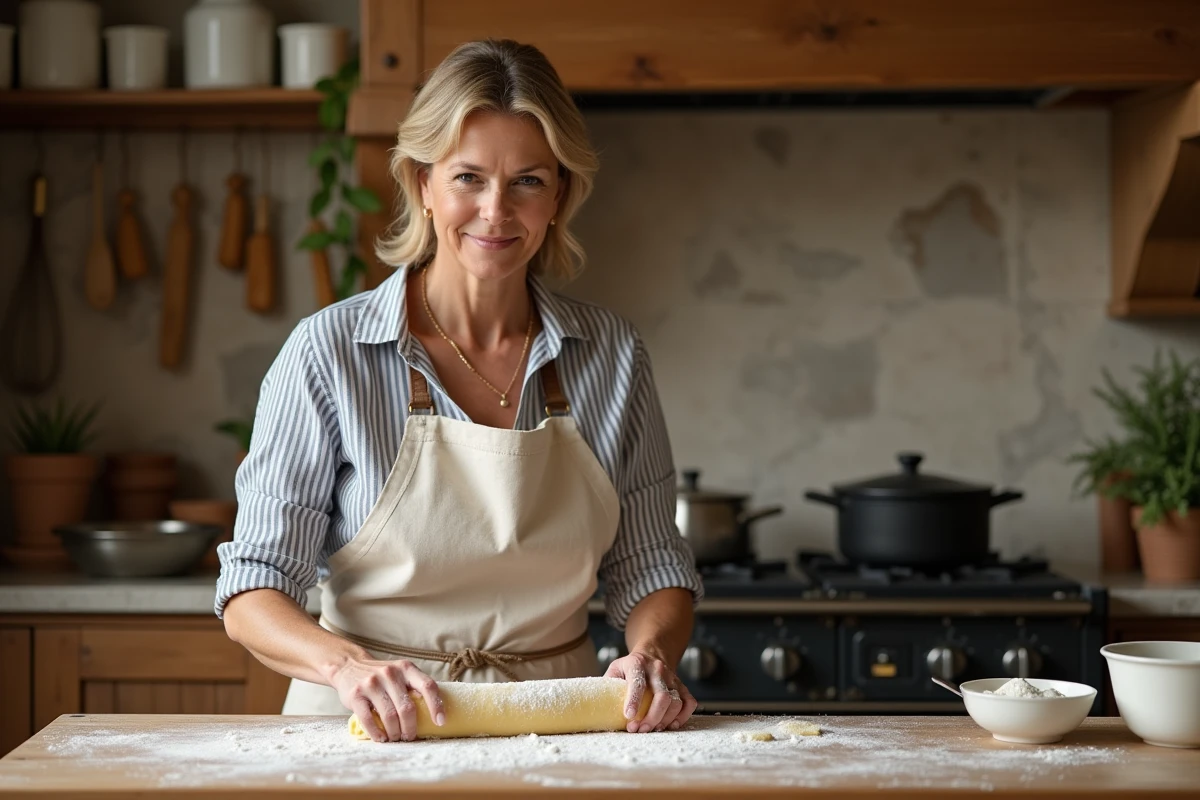
Opening a cookbook or typing a keyword into a search engine is often the same experience: hundreds of results, endless lists, and ultimately few dishes that truly inspire you to get into the kitchen. The problem doesn’t stem from a lack of recipes, but from the way they are presented.
Culinary content that inspires relies on context, a season, a concrete constraint, not just a simple catalog of dishes categorized by type.
Cooking with the season rather than a search engine
Have you ever noticed that the most successful recipes start with a product found at the market, rather than an abstract craving? A basket of cherries in June or squash in November naturally leads to coherent dishes.
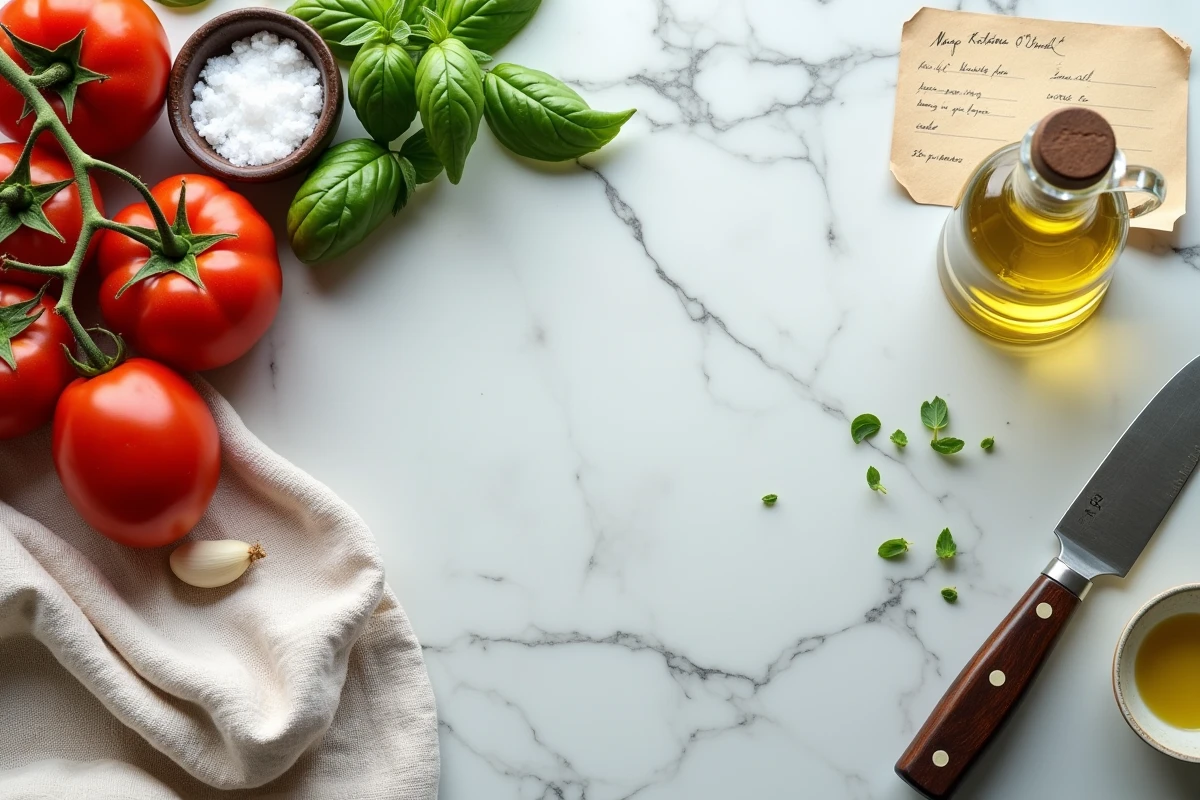
This principle distinguishes an inspiring recipe from a cold technical sheet. Starting with seasonal produce simplifies every decision in the kitchen: the cooking method, seasoning, side dishes. A May strawberry doesn’t need added sugar or a complex preparation. A rustic tart, a salad with a drizzle of olive oil and basil are enough.
Websites that line up thousands of recipes without seasonal filtering create a form of paralysis. The reader scrolls, compares, hesitates, and often ends up preparing the same meal as the night before. Good culinary content reduces choices to better guide.
Resources like the cooking page of L’Art du Goût adopt this approach by structuring their offerings around specific moments rather than encyclopedic categories.
Everyday recipes: what makes the difference between a sheet and real help
A useful everyday recipe addresses a real situation. Not a chef’s dinner, but a meal for four on a Tuesday night, using what’s left in the refrigerator.
Context matters as much as ingredients
Let’s take a simple example: pasta. Typing “pasta recipe” returns hundreds of results. Typing “quick pasta leftover vegetables” starts to tell a story. Culinary content that works begins from this concrete situation.
The best editorial formats link a recipe to a specific problem:
- A dish that can be prepared the day before to save time on Mother’s Day, for example, a savory pastry that can be reheated in the oven
- A dessert without an ice cream maker to use up garden strawberries before they spoil
- A complete meal with three basic ingredients when the fridge is almost empty
Linking each recipe to a concrete problem makes it immediately actionable. The reader isn’t searching for an idea among a thousand: they find a solution to their current situation.
The question of actual preparation time
Many recipe sheets claim “ready in 15 minutes” without accounting for peeling, preheating the oven, or resting time for dough. An honest preparation time builds loyalty more than a catchy title. When content states thirty minutes and the dish actually takes thirty minutes, trust is established.
Gourmet cooking with dietary constraints
Gourmet food is no longer reserved for limitless meals. A growing number of readers are looking for recipes compatible with a health goal or a specific diet, while refusing to give up pleasure.
This shift changes the way culinary content is conceived. It’s no longer enough to offer a chocolate cake: it must specify whether the recipe works with less sugar, gluten-free, or with plant-based alternatives. And above all, the result must still taste good.
A “healthy” recipe that doesn’t look appealing will never be cooked. The classic trap is to multiply restrictions without compensating with flavors. Replacing butter with applesauce in a cake works if you add a hint of vanilla and a pinch of fleur de sel. Without these adjustments, the result is bland, and the reader won’t return.
The most useful content in this area doesn’t just list substitutes. It explains why an ingredient swap works, what it changes in texture and flavor, and how to adjust cooking times.
Culinary inspiration: going beyond the classic recipe format
Cookbooks, workshops, and content that blends lifestyle and gastronomy are increasingly shaping how people approach cooking. The “list of ingredients plus numbered steps” format remains the foundation, but it’s no longer enough to capture attention.
A report on a fruit producer, a chef’s portrait detailing how they choose their cherries, a culinary travel diary in the Mediterranean: these formats tell a story. The narrative around the dish inspires cooking just as much as the recipe itself.
Why does this editorial choice work? Because cooking is a sensory act, not just a technical one. Reading that a strawberry tart uses fruits picked that morning at the spring market activates a craving that the simple mention of “500 g of strawberries” does not.
- A Mother’s Day menu built around a childhood memory has more impact than a selection of “special mom” dishes
- A report on the artisanal production of fresh pasta makes you want to get started, whereas a technical sheet remains abstract
- A book that combines landscape photos, portraits, and recipes transforms cooking into a cultural experience
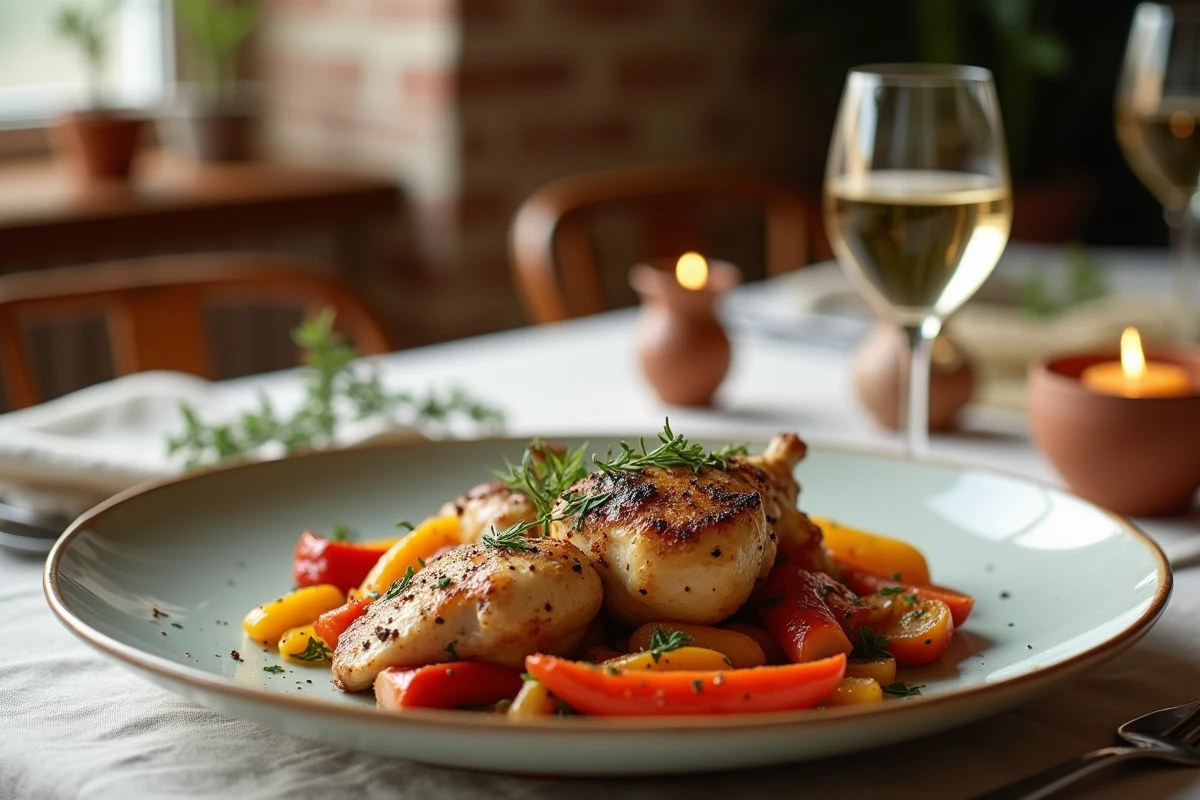
The best culinary content treats cooking as a living subject, rooted in a place, a season, an encounter. It’s this approach that transforms a passive reader into a motivated cook. The next time you look for a meal idea, start by looking at what’s growing outside rather than opening a search engine.