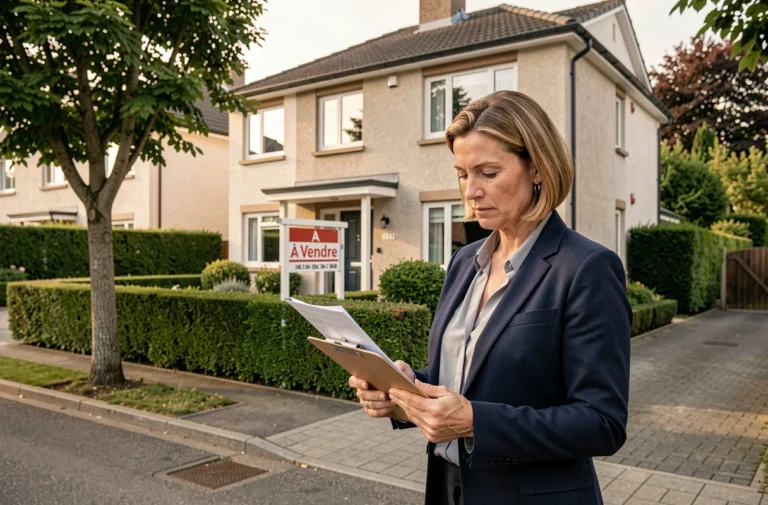
In the face of the shortage of social housing, numerous initiatives are emerging to facilitate access to these essential dwellings. Housing cooperatives, for example, allow tenants to become co-owners of their homes, thus providing long-term stability and participatory management of properties.
Other innovative solutions include intergenerational housing and modular homes, which adapt to the changing needs of occupants. These approaches promote social diversity and reduce costs while meeting the expectations of applicants. Collaboration between public and private stakeholders plays a fundamental role in implementing these promising alternatives.
Innovative measures to facilitate access to social housing
In response to the challenges of accessing social housing, various measures are emerging to meet the needs of households with modest incomes. Among these initiatives, the online portal locannonces allows users to view and apply directly for available social housing, thus simplifying the allocation process.
Support and guarantees for tenants
The Visale program stands out for its ability to provide free rent guarantees to tenants under 30 and precarious workers. This guarantee covers potential unpaid rents, reassuring landlords and facilitating access to housing.
- APL Personal Housing Assistance: a financial aid aimed at reducing the rent burden for eligible tenants.
- Housing Solidarity Fund (FSL): helps finance the security deposit and the first months’ rent for struggling households.
Intermediate housing measures
Intermediate housing, such as the PLS (Social Rental Loan), offers a solution for households whose incomes exceed the limits of traditional social housing but remain insufficient to access the private rental market. These homes benefit from a moderate rent, situated between that of social housing (PLUS) and that of the free market.
Experimental programs
The program “A home first” aims to provide permanent housing for homeless individuals suffering from mental health issues. This initiative demonstrates that access to stable housing is the starting point for successful reintegration.
These measures, by combining innovation and solidarity, address the urgent needs of many households and contribute to a better distribution of social housing in France.

Local actors and initiatives for more accessible social housing
Local authorities play a central role in the allocation and management of social housing. Public housing offices (OPH), social housing enterprises (ESH), and mixed-economy companies (SEM) are the main managers of this real estate stock. These entities ensure the production of new housing in partnership with the State and local authorities.
Information and support services
Municipalities and Housing Information Points provide advisory and orientation services for applicants. Departmental housing information agencies (ADIL) and municipal social action centers (CCAS) offer valuable assistance in compiling application files. Tenant associations, such as the National Confederation of Housing (CNL) and the General Confederation of Housing (CGL), also play a key role in supporting households in their administrative procedures.
Innovative local initiatives
Some metropolitan areas, such as Aix-Marseille, are experimenting with pilot projects to improve access to social housing. The Innov’Toit program, for example, offers temporary housing solutions for individuals in extreme precariousness. The Aix Country Housing Association (Alpa) develops initiatives to promote social diversity and the integration of new tenants.
- Habitat Humanisme: this association works for the housing of people in difficulty and promotes intergenerational solidarity.
- Soliha: specializing in the rehabilitation and adaptation of housing, it supports vulnerable households in improving their living conditions.
These local initiatives, in addition to national measures, contribute to a better distribution of social housing and a more tailored response to the needs of disadvantaged populations.