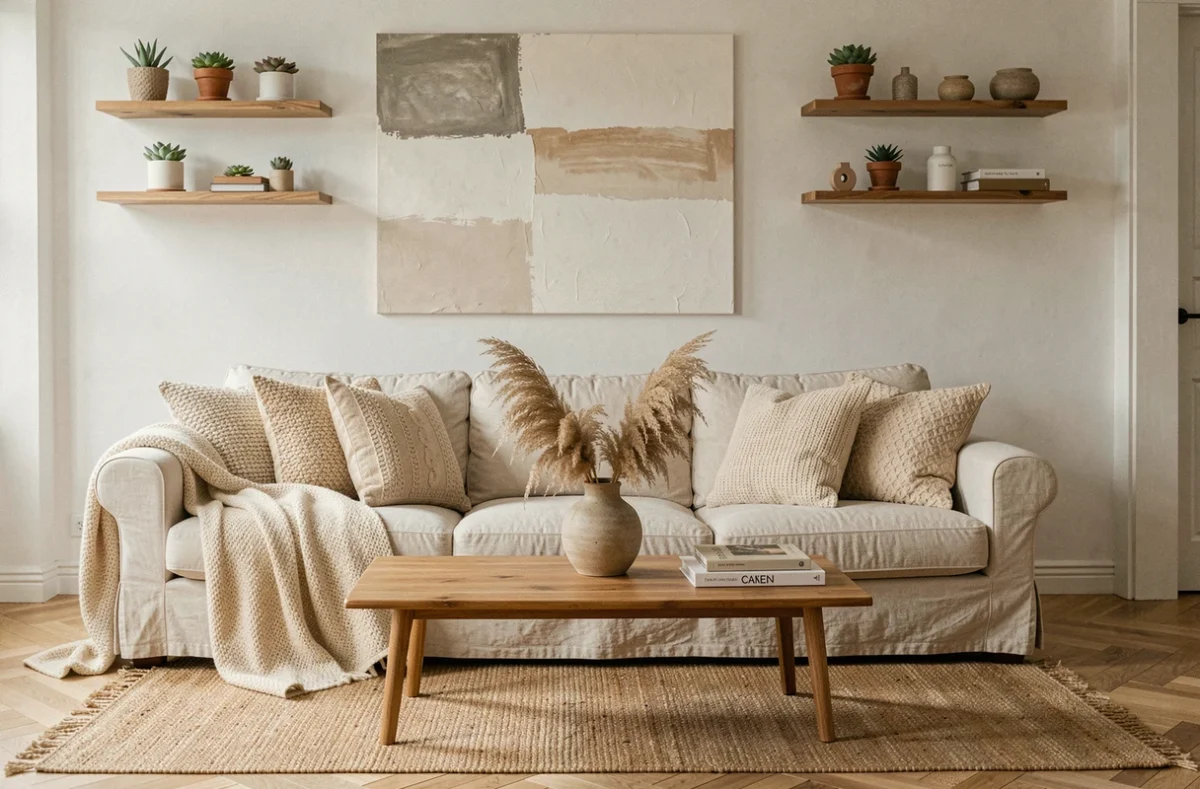
Creating a welcoming home is about more than choosing a sofa or a wall color. Materials, air quality, summer comfort and the way each room breathes all shape the atmosphere just as much as a beautiful object on a shelf. Before discussing trends, it’s worth considering what really affects how a home feels day to day.
Natural materials in interior design: benefits and limitations by room
Raw wood, stone, linen, terracotta: these materials feature in most interior design advice for creating a warm home. Their texture and patina add visual depth that synthetic finishes struggle to replicate.
How they perform depends on where they’re used. According to Terra Maison, porous stone requires more maintenance in the kitchen, where grease and acidic spills can damage the surface. Solid wood, meanwhile, can swell or warp in a poorly ventilated bathroom.
| Material | Suitable rooms | Rooms to avoid | Main consideration |
|---|---|---|---|
| Porous natural stone | Living room, entryway, covered patio | Kitchen, bathroom | Sensitive to acidic stains; requires a water-repellent treatment |
| Untreated solid wood | Bedroom, living room, home office | Bathroom, laundry room | Can swell in damp conditions if ventilation is inadequate |
| Terracotta | Kitchen, hallway, living area | Very bright room (may fade) | Porous; requires regular waterproofing |
| Linen (wall covering or fabric) | Bedroom, living room | Wet room | Absorbs moisture and creases |
This table doesn’t rule out any material. It’s a reminder that good design choices always balance aesthetics with the room’s actual conditions. For more on these topics, Onlyess’s home articles regularly explore the trade-offs between style and practical requirements.
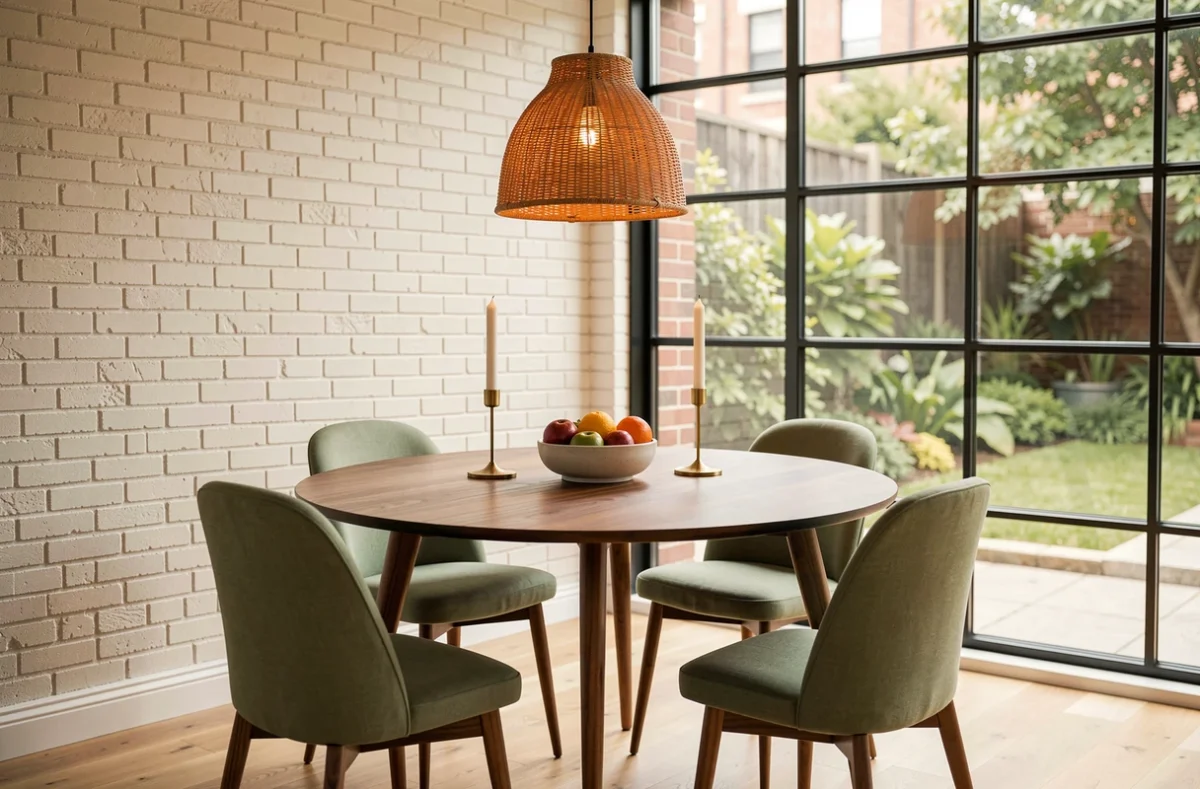
Indoor air quality: an often-overlooked aspect of interior design
ARS Île-de-France identifies mold, building materials, new furniture and cleaning products as sources of indoor pollution. A welcoming home also depends on maintaining good indoor air quality, which means making practical choices from the decorating stage onward.
- Air out your home daily, even in winter, and check that the mechanical ventilation system (VMC) or extractor vents are working properly before installing new finishes
- Choose paints and finishes labeled as low in volatile organic compound emissions rather than relying solely on color or appearance
- Space out the introduction of new furniture in the same room to limit the buildup of emissions during the first few weeks
- Avoid using scented candles and incense as a permanent way to create ambiance, as they add fine particles to the air
Decorating with washable textiles (slipcovers, curtains, throws) makes cleaning easier and reduces the buildup of dust and allergens, helping keep the room healthier without sacrificing style.
Summer comfort and sun protection: decorating with hot weather in mind
A bill under discussion in France aims to better incorporate summer comfort into high-performance renovations, particularly through exterior solar shading. For interior design, this makes a difference when choosing blinds, sheer curtains and finishes.
Sheer curtains let in light, but also heat. An exterior technical-fabric awning blocks a significant amount of solar radiation before it reaches the glass. In the height of summer, the difference in perceived temperature between these two options can transform how a south- or west-facing room is used.
Balancing aesthetics and thermal performance
Interior blackout curtains, often chosen for their appearance, can’t match an exterior sunshade or roller shutter when it comes to thermal protection. Exterior solar shading is the most effective way to prevent overheating because it intercepts solar radiation before it reaches the glass.
A common compromise is to combine exterior protection (louvered shutters, a retractable awning or adjustable external blinds) with an interior curtain chosen for its look and feel. One keeps out the heat; the other dresses the window.
Reusing materials: decorating with reclaimed elements
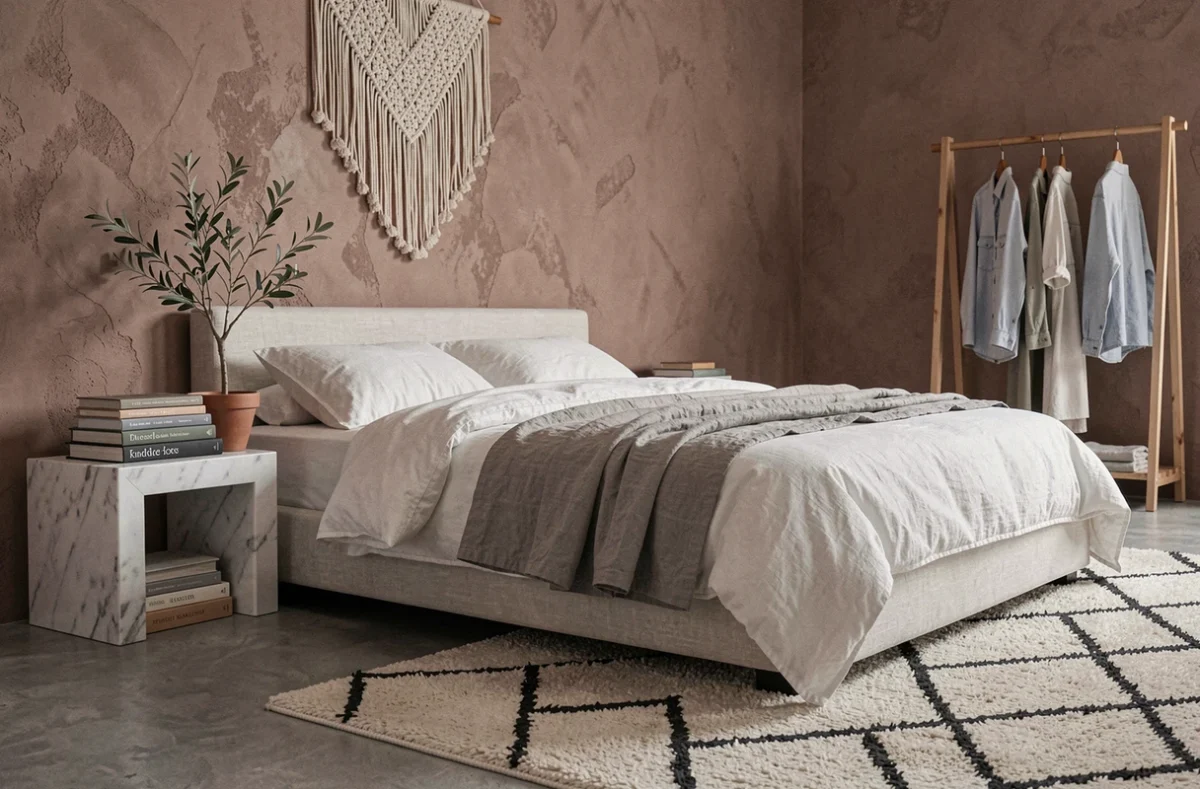
Reuse goes beyond secondhand finds from flea markets. A feature in Le Petit Sarthois describes how wood, panels and other materials from construction surpluses or deconstruction projects are put back into circulation. Old doors or reclaimed finishes can provide the basis for a design scheme, provided their condition and repair needs are assessed first.
A solid wood door salvaged from a demolition site, sanded and refinished, adds a distinctive touch you won’t find in any catalog. A mismatched batch of surplus cement tiles can give a kitchen backsplash a unique character.
- Check that reclaimed wood panels are flat and sturdy before using them as wall cladding or a countertop
- Allow for appropriate treatment (sanding, insect treatment, sealing), as reclaimed materials are rarely ready to install
Interior insulation and loss of floor space: a factor to plan for
In older homes, particularly stone village houses, Corse-Matin reports that interior insulation can noticeably reduce usable floor space. This trade-off between thermal comfort and available square footage should be factored into the design from the outset: for example, a built-in closet set into the insulation can reclaim some of the lost space.
Every design choice balances what we see with what we feel. Well-placed materials, clean air, a room that stays cool in summer and carefully reclaimed elements create a more lasting sense of welcome than any seasonal trend.