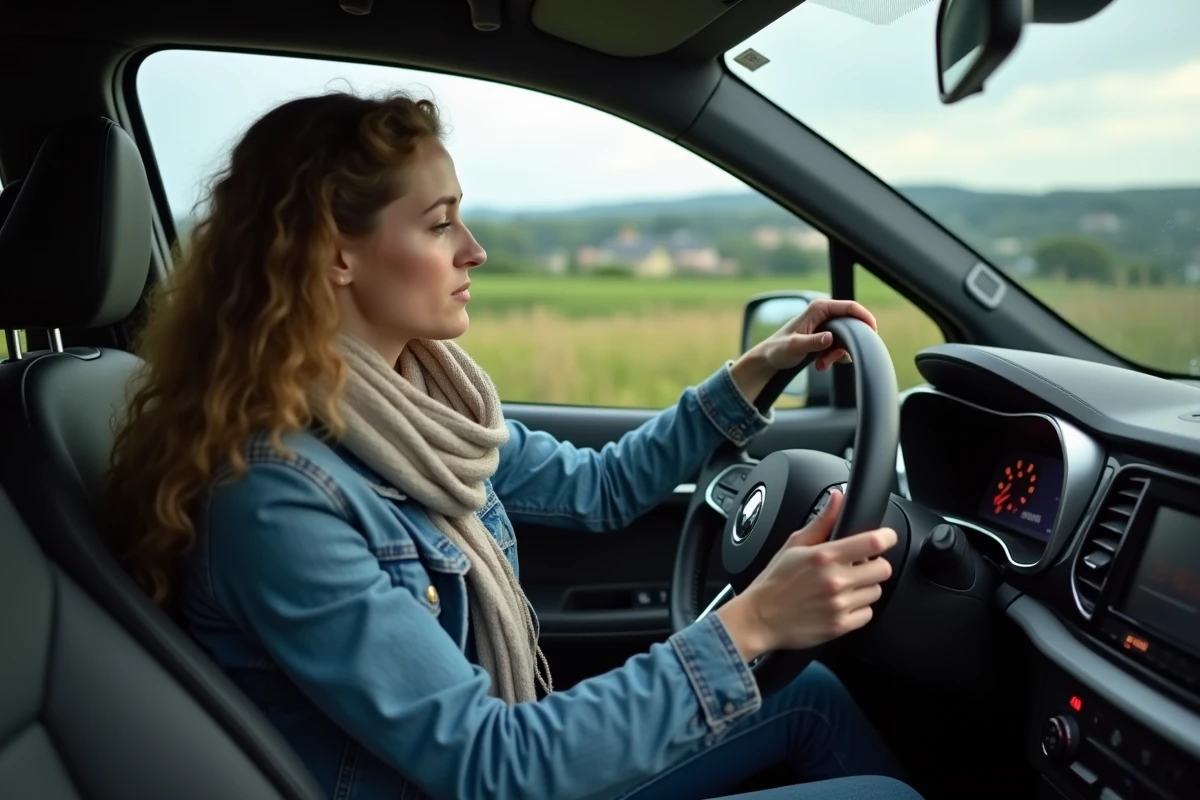
The reserve light on the Twingo 3 usually comes on when the tank contains about 5 liters of fuel. According to manufacturer data, this amount corresponds to a range of 60 to 80 kilometers, depending on driving style and traffic conditions.
Frequently driving on reserve increases the risk of damaging the fuel pump and exposes you to an unpredictable running out of fuel. The safety margins provided by Renault do not compensate for all uncertainties related to wear, temperature, or topography.
How many kilometers are really left when the Twingo 3 goes into reserve?
When the fuel warning light comes on the dashboard, one question arises: how far can we go before the engine completely stops? The Twingo 3 then keeps about five liters of gasoline under the pedal. According to feedback from many drivers and observed figures, this reserve range is between 60 and 80 kilometers. Of course, nothing is set in stone: it all depends on the actual consumption of the vehicle. A city trip, multiple starts, traffic jams, or on the contrary, smooth traffic, every detail can nibble away or preserve those precious kilometers.
The dashboard does not provide an exact figure on the amount of fuel remaining once the reserve is activated. Only experience can refine your margin, but it’s better to avoid pushing the limit too much. The range also varies depending on the condition of the engine, tire pressure, and weather. Staying on reserve means accepting a constant risk of running out of fuel, even if the Twingo 3 tolerates a few extra kilometers.
For those looking for a concrete estimate of how many kilometers on reserve in Twingo 3, the range of 60 to 80 kilometers remains the reference, but the road’s terrain, speed, or driving style can change everything. A heavy foot or repeated stops significantly reduce the chances of reaching the next gas station. Using the fuel reserve wisely is a matter of balance and anticipation: every slowdown counts, every restart weighs in.
Factors that affect range on reserve
In the Twingo 3, the range once the fuel warning light is on is not random. Several factors come into play to determine the remaining distance before running out of fuel. First, the instantaneous consumption of the vehicle: an engine working hard in the city, punctuated by accelerations and stops, will consume the reserve much faster than a journey on a highway at a steady pace.
The type of fuel, speed, and even the load can increase consumption. A Twingo 3 packed with passengers and luggage will see its reserve deplete faster. Under-inflated tires increase rolling resistance and raise consumption. The outside temperature also plays a role: in cold or heat, the engine does not perform the same, which alters the possible distance on reserve.
Here are the main parameters to keep in mind:
- Driving style: a smooth driving style saves the fuel reserve, a nervous style depletes it.
- Route: whether driving in the city, suburbs, or on the highway, fuel consumption varies significantly.
- Mechanical condition: regular maintenance reduces consumption and maximizes the chances of making the most of the reserve.
The reserve, estimated at five liters, should always be put into context. By dividing the mileage by the amount of fuel actually consumed according to your trips, you will get a more accurate estimate of the remaining range. This margin is not absolute: it reflects the fragile balance between mobility and technical constraints.
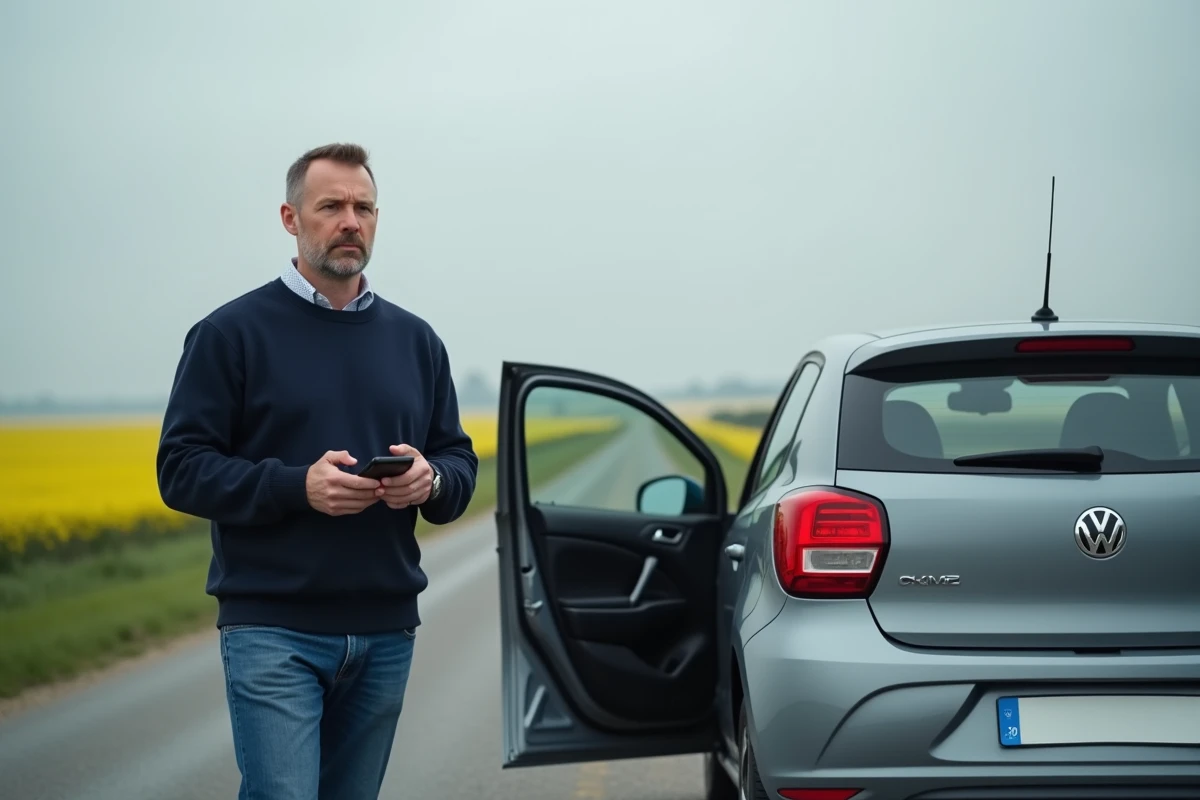
Small tips to avoid running out of fuel and drive with peace of mind
The moment the fuel light comes on, a reflex is necessary: anticipate. The Twingo 3, once on reserve, rarely allows for more than 60 to 70 kilometers depending on consumption, the route, or the load. Not pushing the limit is respecting road safety and avoiding running out of fuel, even on a secondary road, which exposes you to unnecessary dangers and a fine as stipulated by the highway code.
Before each trip, locate the most accessible gas station, especially outside urban areas or on poorly equipped routes. Digital tools help, but good map scouting remains a reliable value. Do not let the fuel level drop to the minimum before taking action. Adding a few liters as soon as possible is to avoid running out of fuel and its troubles.
Periodic checks at the garage allow you to keep an eye on the tank and the fuel system. Reminder: the gauge is only indicative; a worn sensor or a steep slope can distort the display of the remaining fuel quantity. Extra caution is needed on hilly roads or in the mountains.
To adopt good reflexes in daily life, here are some practices to remember:
- Plan your gas station stops on long trips.
- Always keep in mind the distance to the next pump, especially in rural areas.
- Monitor your consumption on the road and adjust your speed if necessary.
Running out of fuel is never just a minor inconvenience: it can jeopardize the safety of everyone, immobilize the car, and complicate assistance. It’s better to prevent, prepare each trip, and keep a peace of mind, rather than suffer the consequences of a reserve pushed to the limit.
Whether we like it or not, managing the reserve on a Twingo 3 is a bit like the last game of patience for the modern driver: calculating, anticipating, and savoring the satisfaction of never letting the fuel shortage decide for them.